
In the world of international construction and manufacturing, the most common document exchanged is the "Laboratory Test Report." However, after 18 years in project supervision, I have learned one critical truth: A laboratory result is only as credible as the sample it tests.
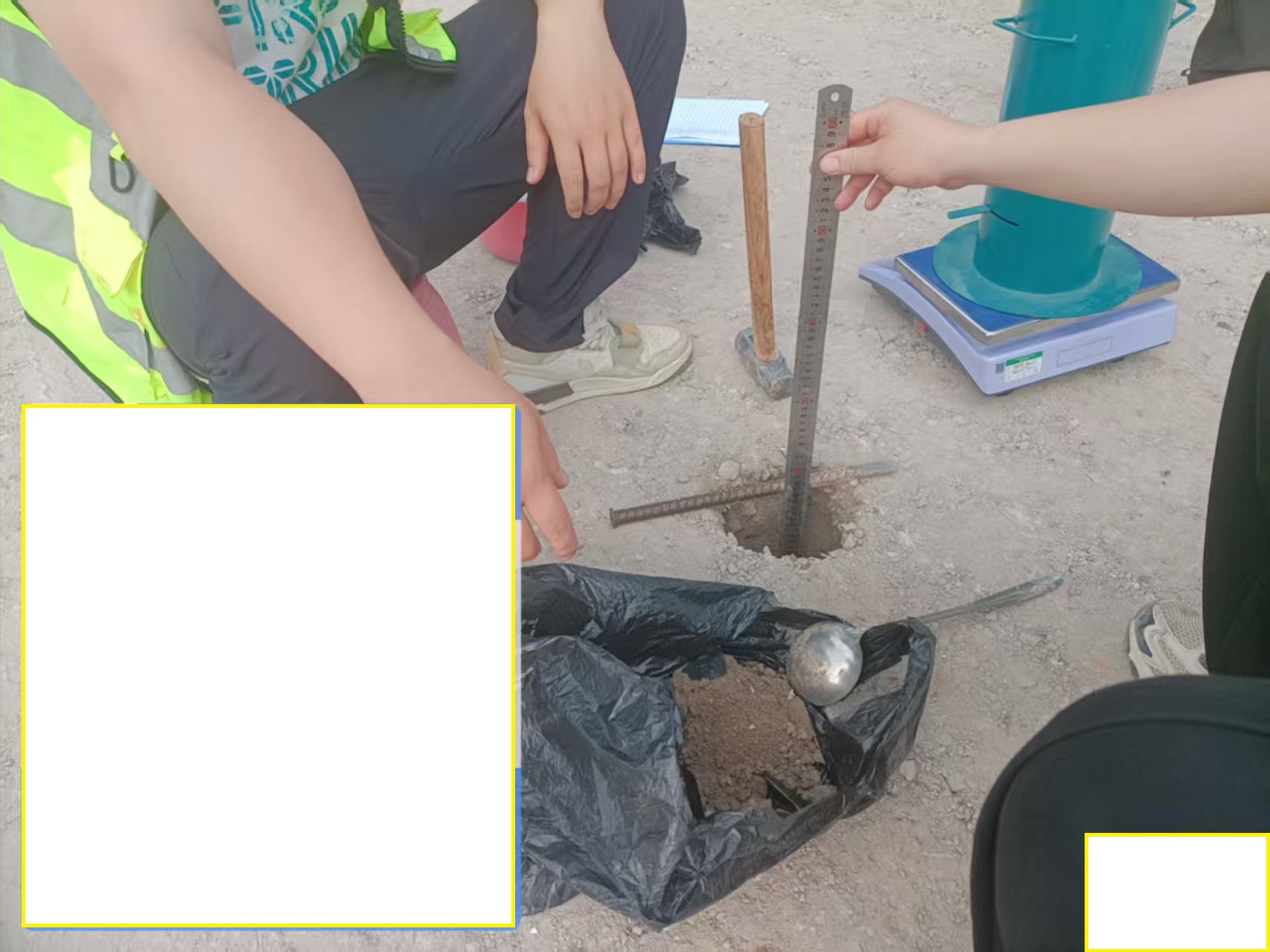
Today, I am on-site at a large-scale industrial project in Zhaoqing, Guangdong, acting as the Third-party Witness for sub-base compaction and thickness testing.
While most stakeholders are satisfied with a "Pass" mark on a PDF file, my role is to look deeper. Why do we insist on being physically present during the sampling and testing process?
1. Preventing "Cherry-Picked" Samples
Without professional supervision, there is always a risk that a factory might send a "golden sample"—a specially prepared unit that does not represent the actual mass production. By being on-site, I ensure that the samples are selected randomly and represent the true quality of the batch.
2. Verifying the Methodology
A test result can be easily manipulated if the testing methodology is compromised to save time or costs. As a licensed engineer, I verify that the equipment is calibrated and that the technicians follow the exact steps required by the standard (whether it’s GB, AS/NZS, or ASTM).
3. Ensuring Data Integrity for the Client
For our overseas clients, I act as their dedicated eyes and ears on the ground. Whether we are verifying the structural sub-base of a massive industrial complex or supervising the precision specimen preparation of high-end architectural materials for export, the core principle remains the same: If I didn’t witness it personally, I won’t sign off on the compliance.
At CN Quality Check, we believe that quality is born on-site, not in a filing cabinet. Our "Witnessing" service provides our clients with more than just data—it provides them with legal certainty and peace of mind.
Need an independent inspection in China?
Request a Quote →